Blog
Article
Justifying recruitment doesn't begin with the numbers, but with the question.
About understanding which investments are worth making, and which are not.

Hans Kleinekorte
Founder
Most educational institutions invest tens of thousands of euros annually in student recruitment. Fairs, open days, campaigns, and tools. And the same question invariably arises afterwards: has it worked?
The honest answer is often: we think so.
Attendance figures are shared, photos circulated, and the feeling is positive. But the link between investment and outcome — how many of those visitors ultimately became students? — remains vague. Not because institutions don't want to know, but because they can't know. The data isn't there, or it's spread across systems that don't communicate with each other.
The gap between activity and outcome
That lack of insight is more than a reporting issue. It influences every decision. Which fair should we attend next year, which shouldn't we? Where do we allocate extra budget? What do we advise the programmes? Without data, these choices are made based on experience and gut feeling. And experience is valuable — but it's not evidence.
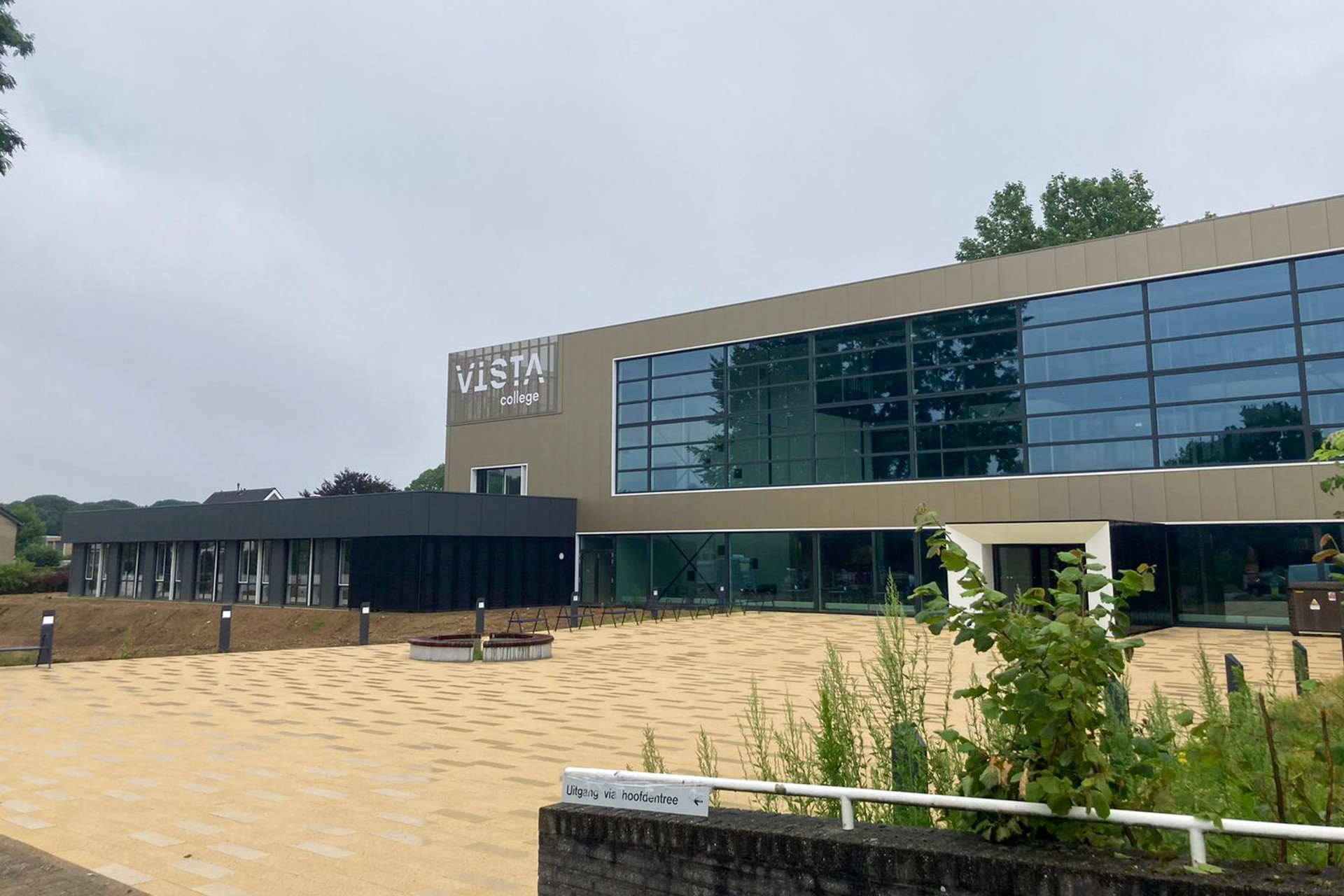
At Vista College, that was the turning point a few years ago. Enrolments were down, while attendance at events remained steady. The team saw activity, but no effect. That gap gave them the argument to tackle it differently.
The real change is not in the tool
What Vista College did next is instructive for any institution struggling with this question. They invested not only in tools but primarily in a different way of working. The team learned to consistently register, use data in discussions and decisions, and think in returns per channel instead of busyness per event.
That sounds easy. In practice, it requires discipline, habituation, and support. But once it works, everything changes. Vista College can now see exactly what each recruitment activity delivers. At a fair, for instance, every potential student is scanned after a conversation, and the entire journey is tracked — from first contact to enrolment. Combined with the funding value per student, the team knows not only if a fair is profitable, but why.
What that changes
Three things shift once you can substantiate recruitment with data.
Firstly: better choices. Activities that don't perform are scaled down. Activities that consistently contribute receive more investment. Not based on tradition, but on evidence.
Secondly: a stronger position for marketing within the organisation. As long as recruitment is immeasurable, it remains a cost. Once you can show what it delivers, it becomes an investment. That's a fundamentally different conversation with your board.
Thirdly: a foundation to build further. If you know who enrols and why, you can extend that logic to study success, drop-out rates, and progression. The student journey doesn't stop at enrolment.
The question that precedes it
Many institutions start with the tool: what system do we need? But the better first question is: what decisions do we want to improve? If the answer is "we want to know what our recruitment yields", then a working method follows. And only then a system that supports that method.
Vista College started with that question. The result is a team that no longer justifies decisions based on feelings, but on numbers. And that makes a difference — not just for marketing, but for the entire institution.
Vista College uses Hippocampus to provide insight into the entire student journey, from first touchpoint to enrolment. [Read the full case study →]
Hans Kleinekorte
Founder
Share